Four Feel-Good Food Habits You Can Start Today
 February is American Heart Month, and eating for your heart doesn’t require a complete overhaul, but just small habits you can stick with long-term. These simple shifts add up over time, and the convenience of frozen and refrigerated options helps turn healthy intentions into lasting routines.
Build a Heart-Healthy Habit One Week at a Time
Week 1: Put Seafood on Repeat
The American Heart Association recommends eating seafood twice a week as part of a heart-healthy dietary pattern. Frozen seafood makes it easy to follow through with no pressure to cook it the same day you buy it. Frozen seafood is flash-frozen at peak quality, so it’s convenient without sacrificing nutrition.
Stock your freezer with salmon fillets, shrimp, or cod and rotate them into simple meals like shrimp tacos, salmon grain bowls, or fish paired with frozen veggies and brown rice.
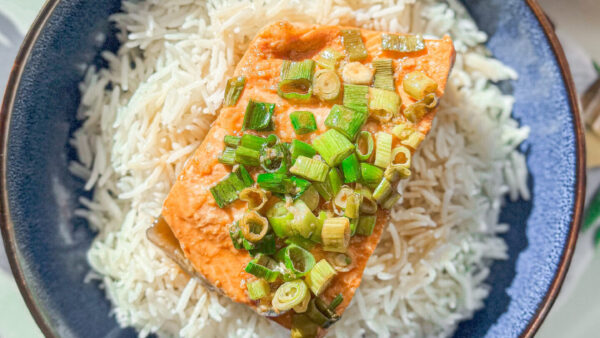
Not sure where to start? If you’re looking for a new seafood recipe to try, our Healthy Baked Salmon Parcels in Orange Juice can help you check this habit off your list.
Heart habit: Incorporate seafood twice a week into your diet
Week 2: Add Fruits and Veggies to Foods You Already Eat
You don’t need a “veggie-only” meal to add more plant-based foods to your diet. Adding fruits and vegetables to everyday foods counts and it adds color, texture, and nutrition.
Try these simple add-ins:
- Toss frozen peppers, onions, or riced cauliflower into stir-fries and skillet meals
- Use frozen sweet potato chunks or broccoli as the base of bowls
- Add sliced tomatoes, cucumbers, or spinach to sandwiches and wraps
- Top yogurt, cottage cheese, or oatmeal with frozen berries
Heart habit: Add at least one fruit or vegetable to a familiar meal each day.

Week 3: Build Fiber into Every Meal
Fiber supports heart health by helping manage cholesterol and blood sugar, and most Americans don’t get enough. Frozen and refrigerated foods make it easier to add to your diet without overthinking.
Keep frozen fruit on hand for a breakfast smoothie or on-the-go yogurt or cottage cheese parfait, add beans or lentils to salads and bowls, choose frozen whole grains like quinoa or brown rice, and load meals with vegetables.
For a fiber-rich breakfast or snack, try these Pumpkin Breakfast Bars, which are made with oats and pumpkin and are perfect as a make-ahead option.
Heart habit: When grocery shopping, plan for one fiber-rich food at every meal.
Week 4: Choose Naturally Low-Sodium Convenience Foods
Eating for your heart doesn’t mean avoiding convenience foods, it means choosing smarter ones. Many frozen and refrigerated foods are naturally low in sodium or sodium-free, making it easier to follow American Heart Association heart-healthy eating recommendations. Try leaning on herbs, spices, citrus, garlic, and vinegars to bring out the natural flavor of foods.
Lower sodium options include plain frozen fruits and vegetables, frozen fish and seafood without sauces or breading, frozen poultry and lean meats, and plain frozen grains and potatoes.
Heart habit: Choose one naturally low-sodium frozen or refrigerated food each shopping trip.
Heart-healthy eating isn’t about restriction; it’s about building habits with foods you enjoy. This February, let your freezer and fridge help you eat well, feel good, and show your heart a little extra love.
 Annette Maggi, MS RDN, LD, FAND
Annette is a registered dietitian and nutrition expert who helps people and brands turn credible nutrition science into practical, everyday food choices. With experience working with major retailers and food companies, she’s known for making complex health topics approachable, relevant, and actionable—always grounded in science and real-world eating.